
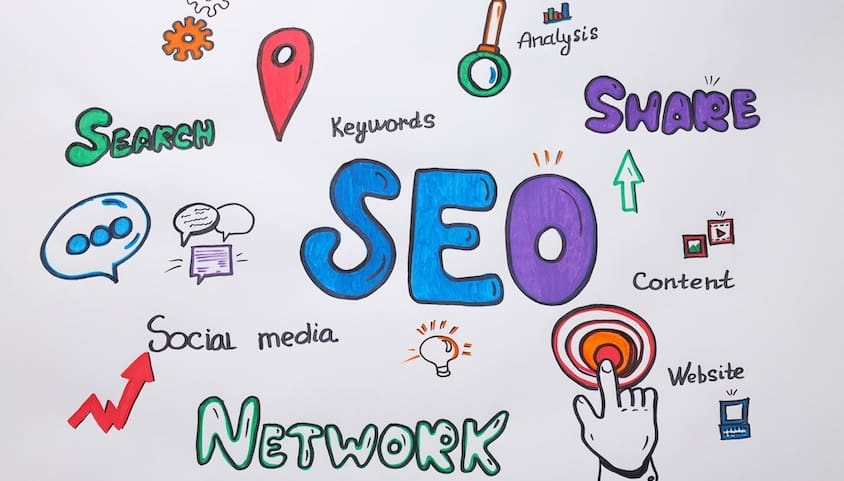
First, focusing on your website’s structure can make a significant difference. A well-organized site that’s easy to navigate and loads quickly keeps visitors engaged and encourages them to explore more pages. Improving site speed and ensuring mobile responsiveness are also crucial. These steps help create a better user experience, which search engines reward with higher rankings.
Creating high-quality content is another vital part of SEO. By incorporating relevant keywords and writing engaging meta descriptions, you can make your web pages more attractive to search engines and potential customers. Well-crafted blog posts, product descriptions, and multimedia content can help keep visitors on your site longer, reducing bounce rates and improving your SEO performance.
Optimizing Your Website Structure for Better SEO
A well-structured website is crucial for improving your search engine rankings. You can start by focusing on key elements like website navigation. A simple, well-organized navigation menu helps users find what they need quickly. This makes it easier for search engines to index your site, boosting your SEO.
Mobile responsiveness is another critical factor. More people use smartphones to browse, so your site should look good and work well on all devices. Ensure your website is mobile-friendly by using responsive design techniques. Google favors mobile-friendly websites, so this can improve your rankings.
Site speed is also vital. Slow-loading pages frustrate users and can lead to higher bounce rates. You can optimize your site speed by compressing images, reducing file sizes, and using a reliable hosting service. Even small improvements in these areas can make a big difference in how both users and search engines perceive your site.
Crafting High-Quality SEO Content That Engages and Converts
Creating high-quality SEO content involves more than just stuffing keywords into your text. Begin with thorough keyword research. Use tools like Google Keyword Planner to find relevant keywords for your audience. Place these keywords naturally throughout your content to help search engines understand your site’s relevance.
Writing engaging meta descriptions and titles is also crucial. These elements appear in search engine results and can influence whether someone clicks on your link. Make sure your meta descriptions are clear and compelling, and include your primary keyword.
Regarding content creation, focus on providing value. Write blog posts that address common questions or pain points your audience faces. Create detailed product descriptions that highlight the benefits and features of your offerings. Don’t forget to include multimedia content like images, videos, and infographics to make your content more engaging. High-quality content improves your SEO and helps convert visitors into customers.
Leveraging Local SEO to Attract Nearby Customers
Focusing on local SEO is essential for small businesses that rely on nearby customers. Local search optimization helps make your business more visible to people searching for relevant services in your area. This can drive foot traffic to your store and increase local online engagement.
The first step in local SEO is claiming and optimizing your Google My Business listing. Start by verifying your business name, address, and phone number. Accurate information ensures that your business appears correctly in local searches and on Google Maps. Add high-quality photos, business hours, and a compelling description to make your listing stand out.
Next, manage your online reviews. Positive reviews build trust and influence potential customers. Please encourage satisfied customers to leave reviews and respond quickly to any positive or negative feedback. This shows you care about your customers and signals to search engines that your business is active and trustworthy.
Utilizing Google Analytics to Track and Improve Your SEO Efforts
Using Google Analytics to track your SEO performance is crucial for making informed decisions. Start by setting up your Google Analytics account. Link it to your website and configure settings to track key actions like page views, bounce, and conversion rates.
Next, focus on essential metrics that every small business should monitor. Look at organic traffic to see how many visitors come from search engines. Examine the bounce rate to understand how engaging your content is. Analyze which pages receive the most traffic and which keywords drive visitors to your site.
Use this data to optimize your SEO efforts continually. For example, if a particular blog post is attracting a lot of views, consider creating more content on that topic. If your bounce rate is high, look at ways to improve your page load speeds or enhance the content quality. Regularly reviewing analytics helps you refine your strategies and achieve better results.
Conclusion
Improving your small business website’s SEO is an ongoing process that requires attention to various details. Each step plays a crucial role in boosting your online presence and attracting more customers, from optimizing your website structure and crafting high-quality content to leveraging local SEO and utilizing Google Analytics. It’s about creating a solid foundation that supports your long-term goals and keeping up with best practices to remain competitive.
Implementing these strategies can lead to higher search engine rankings, more traffic, and a better user experience. But remember, SEO isn’t a one-time fix; it’s a continuous effort to stay ahead of changes in search engine algorithms and user behavior.
If you’re looking for expert help to improve your website’s SEO, you can contact PX Media. We specialize in SEO services in Los Angeles for small businesses and can help you achieve your goals. Let’s work together to maximize your online potential and drive your business forward.
Frequently Asked Questions
Why is SEO important for small business websites in 2024?
What are the key on page SEO elements to focus on?
Important on page elements include optimizing title tags, meta descriptions, headings, internal links, and high quality content.
How does mobile optimization impact SEO in 2024?
Google prioritizes mobile first indexing, so a mobile optimized site ensures better rankings, faster load times, and improved user experience.
Why is website speed crucial for SEO success?
What role does local SEO play for small businesses?
How important is keyword research today?
What kind of content improves SEO performance?
Valuable, informative, and keyword optimized content that answers user questions helps improve SEO rankings and engagement.
Should small businesses invest in technical SEO?
How do backlinks affect small business SEO?
How often should SEO strategies be updated?
Turn Top SEO Tips for Improving Your Small Business Website in 2024 into a clearer next step
Top SEO Tips for Improving Your Small Business Website in 2024 becomes more useful when the takeaway is connected to SEO company support, website clarity, and measurable lead quality. PX Media can turn Top SEO Tips for Improving Your Small Business Website in 2024 into a practical review of technical issues, search intent, service copy, local signals, content gaps, and conversion tracking so the next move supports the business instead of adding more noise.
Search Engine Optimization SEO
Top SEO Tips for Improving Your Small Business Website in 2024 pairs well with Search Engine Optimization SEO when you want a clearer next move before changing campaigns, design, or measurement.
Pasadena SEO Company
Pasadena SEO Company gives Top SEO Tips for Improving Your Small Business Website in 2024 a stronger follow-through path for planning, service review, and practical action.
Local Digital Marketing Agency
Local Digital Marketing Agency can connect the ideas around Top SEO Tips for Improving Your Small Business Website in 2024 with a more focused service conversation.
Blog & Press
Top SEO Tips for Improving Your Small Business Website in 2024 often leads into Blog & Press when the goal is better clarity, cleaner tracking, or stronger lead quality.
Talk To Us
Talk To Us can help turn the takeaways from Top SEO Tips for Improving Your Small Business Website in 2024 into a more specific plan for your business.
Questions that come up after Top SEO Tips for Improving Your Small Business Website in 2024
How does Top SEO Tips for Improving Your Small Business Website in 2024 fit into a practical SEO company support plan?
Top SEO Tips for Improving Your Small Business Website in 2024 can help clarify where SEO company support needs more attention, especially around technical health, content clarity, search visibility, local signals, and conversion paths. With Top SEO Tips for Improving Your Small Business Website in 2024 as the starting point, PX Media shapes next steps that are easier to measure and easier for visitors to act on.
What should a business review before acting on Top SEO Tips for Improving Your Small Business Website in 2024?
Before making changes after Top SEO Tips for Improving Your Small Business Website in 2024, it helps to review technical issues, search intent, service copy, local signals, content gaps, and conversion tracking. That keeps decisions around Top SEO Tips for Improving Your Small Business Website in 2024 grounded in real visitor behavior, lead quality, and the business outcome that matters most.
When is it worth asking PX Media for help after Top SEO Tips for Improving Your Small Business Website in 2024?
It is worth asking for help when the issue behind Top SEO Tips for Improving Your Small Business Website in 2024 feels scattered, hard to measure, or disconnected from qualified inquiries. PX Media can review the current setup and help turn Top SEO Tips for Improving Your Small Business Website in 2024 into a clearer action plan.
Need help applying Top SEO Tips for Improving Your Small Business Website in 2024?
PX Media can review the current setup behind Top SEO Tips for Improving Your Small Business Website in 2024, clarify the strongest opportunity, and connect SEO company support with a cleaner plan for visibility, conversion, and follow-up.